
Most of what gets written about aircon asset life describes failure — the conditions that shorten it, the readings that predict it, the decisions that accelerate it. It's worth describing the other case: what a unit actually looks like, mechanically and administratively, when it reaches its full fifteen-year rated life without drama.
Mechanically, a fifteen-year unit that's aged correctly doesn't look new — coils show wear consistent with age, cabinet finishes have faded, and minor cosmetic corrosion is normal.
The coil is clean at the fin base, not just at the surface — evidence of deep cleanings that actually restored airflow compressor windings show gradual, even wear rather than the stress from chronic undercharge or electrical strain.
There's no buildup of scale or biological growth in the drain pan, which tells you condensate has been draining freely for its entire service life rather than backing up periodically and accelerating corrosion.
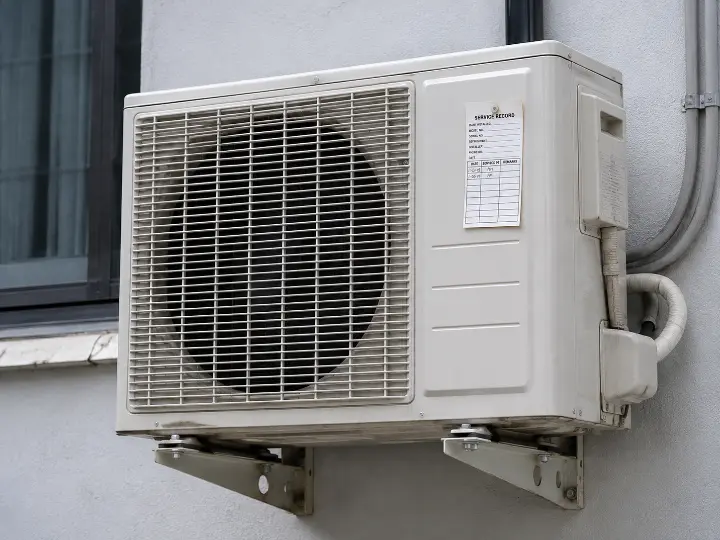
Administratively, the unit has a service file that reads like a data log, not a repair history.
Refrigerant charge readings taken at every visit show a flat line with only the gradual, expected drift from normal fitting seepage — no dramatic drops that would indicate an undiagnosed leak being repeatedly topped off.
Amperage draw readings show the same flatness.
When a part failed — and over fifteen years, something always fails: a capacitor, a contactor, a fan motor — the record shows it was replaced promptly and, in each case, the technician's notes include a brief note on likely cause, not just the part number swapped.
What is absent from this picture is heroics. A unit that reaches full life is not one that was rescued from crisis after crisis by an exceptional emergency response. It is a unit where a crisis was not allowed in the first place — where a rising amperage reading got investigated in the month it appeared, not the year it caused a failure, or where a refrigerant leak got found and repaired rather than affecting the compressor and the IPM board.
This is a useful standard to hold a maintenance program against. It isn't measured by how well a vendor responds to emergencies. It's measured, boringly, by how few emergencies a well-run program produces.
FIELD NOTE
Pull the oldest unit still in service on your property. If its service file shows flat readings and no repeated top-offs, that file is a template — ask your vendor to replicate that pattern across the rest of the portfolio.