
A clamp meter reading on a compressor or fan motor is one of the few electrical numbers that reliably makes it onto a service report. What usually doesn't make it onto the report is the comparison from the previous visit, and the one before that.
Motor windings are coated in a thin layer of insulating varnish that keeps individual coils of wire electrically isolated from each other. Heat, vibration, and age all degrade that varnish gradually. As it breaks down, tiny amounts of current begin leaking between windings instead of doing useful work.
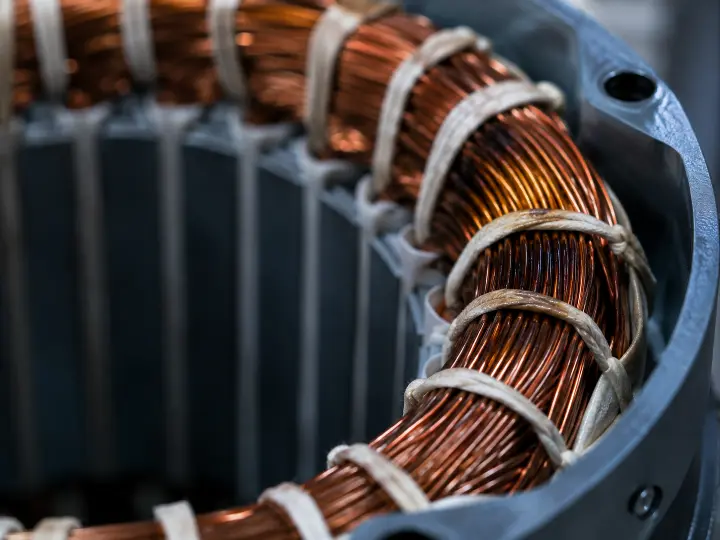
It is called insulation breakdown, and it shows up as a steady increase in the motor's amperage draw for the exact same load.
The feedback loop is familiar by now: degrading insulation increases current leakage, which generates heat inside the windings, which further degrades the insulation. Unlike a loose connection, this failure mode is internal to the motor and can't be tightened or cleaned — once it starts, it only progresses.
The signal is in the trend: a motor drawing steadily more amperage over consecutive visits, with airflow, refrigerant charge, and voltage all ruled out as the cause, is a motor on a failure trajectory.
This is another check most likely to get lost because it requires the technician to look back at prior visit data rather than just recording the current number in isolation.
For a property manager, the value is in asking the comparative question directly: "Is this motor's amperage draw trending up compared to its last service?"