
Failures in these cooling systems happen gradually. A refrigerant leak develops gradually, a coil fouls gradually, an electrical connection loosens gradually, amperage draw creeps upward gradually. A measured maintenance program depends on catching those gradual trends early. A monthly or quarterly visit schedule can catch early problems.
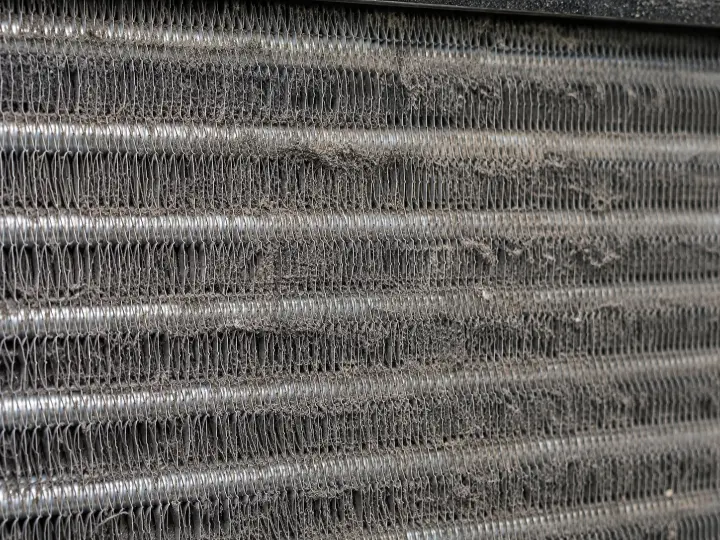
A problem that would have shown up as a two percent amperage increase early on, can show up as a six or seven percent increase, or an outright failure, by the time visible symptoms appear.
There's a second, less obvious reason: regular visits maintain reliability. A dataset built on consistent ninety-day intervals lets you compare readings on an apples-to-apples basis — the change between visit three and visit four represents roughly the same elapsed time as the change between visit two and visit three.
A dataset with irregular intervals — sixty days here, a hundred and thirty days there — makes it harder to tell whether a jump in a reading reflects genuine accelerating wear or just a longer gap since the last check. The measurement and interval discipline is what makes a maintenance program valuable.
This is also where loyalty to a trusted individual technician can work against a property's interests without anyone intending it to. A technician who's built a strong relationship with a building's staff over years is genuinely valuable — they know the equipment's history, the building's quirks, the tenants' patterns.
But if that same technician is consistently overbooked and running behind, the relationship that makes them valuable is also what makes it hard to hold the schedule accountable. The fix may be to separate the relationship from the scheduling commitment and regular dataset.
An interval that slips from 90 days to 4 and a half months is the difference between catching an early problem at a two percent deviation and catching it after it's already cost a component.
Field Note
Track actual days between visits against the contracted interval for the last year. If the average is meaningfully longer than what's in the contract, your maintenance program's real interval — and its ability to catch problems early — is shorter than you think it is.